What Is Best Lighting for an Indoor Art Show Led or Halogen
3 Of import Tips for Properly Lighting Your Artwork
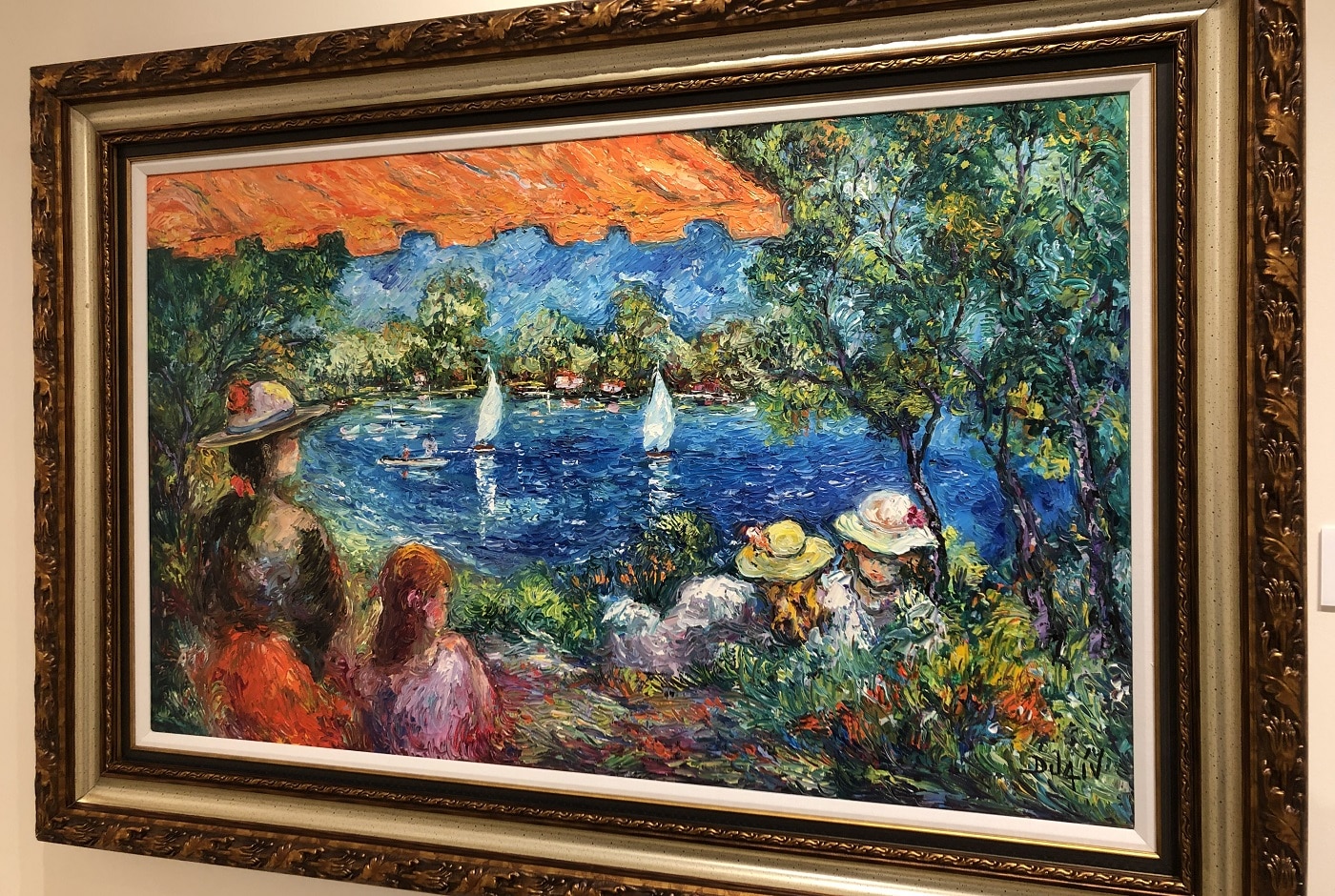
Artwork by Duaiv
Properly lighting a work of art can brand all the difference in the world when it comes to displaying information technology. The painting that moved you to the tears in the gallery might not have the aforementioned result if it's ever bathed in shadow or blasted with sunlight.
Whether used for an elaborate brandish or just a soft and subtle highlight, lighting is meant to place your art at middle stage. With proper lighting techniques, your artwork tin exist admired safely and optimally for years to come.
If y'all follow these 3 easy lighting tips, your art will e'er exist cast in the best light possible.

1). Consider Lighting and Longevity
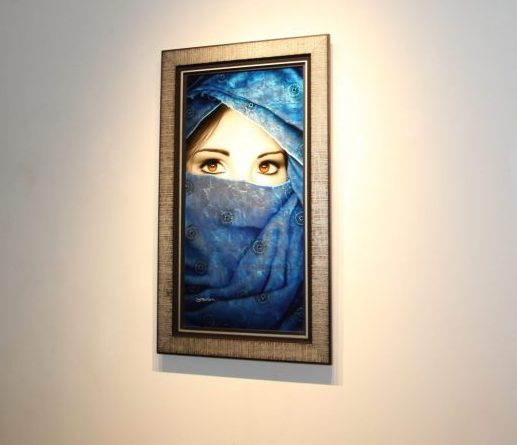
Artwork by Patrick Guyton
The main concern in choosing the proper lighting is determining what weather condition volition all-time preserve the artwork. Aesthetic preferences should be a secondary consideration.
Aggressive lighting choices can frequently crusade heat and lite harm, often resulting in permanent color distortion and brittleness. Follow these rules to ensure the longevity of your collection:
- Avoid displaying artwork in direct sunlight. Ultraviolet light and infrared radiations can crusade fading.
- Don't allow light to directly face artwork. This will protect your artwork against heat damage.
- Avoid fluorescent lighting. It emits a high level of ultraviolet energy, which accelerates color fading and distorts the color of the artwork.
To test for potential heat impairment, place your paw between the artwork and the light source. If you tin experience heat from the low-cal, the light source is likely too close.
2). Pay Attention to Different Types of Lighting
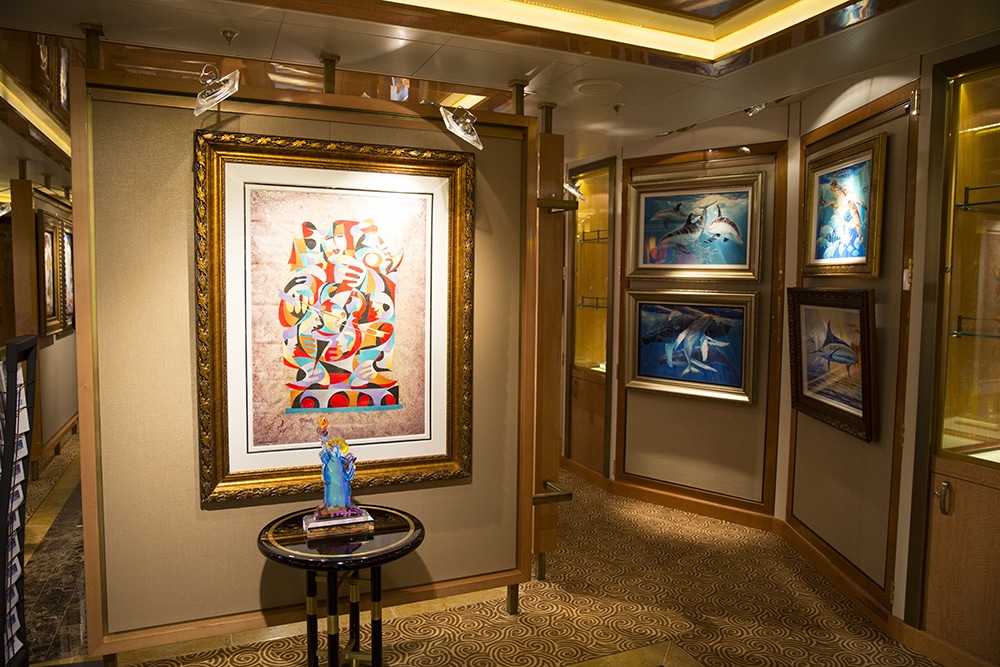
Lighting should highlight artwork by existence three times brighter than the room's ambient light.
In general, lighting for artwork should be three times brighter than the rest of the room'southward lighting. This can be achieved by using the advisable intensity or ambiance.
To ensure the artwork'south colors are portrayed accurately, seek out high CRI (Color Rendering Alphabetize) percentages in your lights. The closer they are to 100 percent, the more vibrant the colors will announced. Consider the post-obit options when lighting artwork.
- LED: LEDs boast a long lifespan and requite off little ultraviolet radiation and rut. They are a good option if in that location is little space available between the fine art and the light source. They are available in warm and cool color temperatures.
- Element of group vii: Halogen lights cast a libation tone but generate higher levels of heat. Keep them at a prophylactic distance from the artwork and consider UV filters.
- Incandescent: Incandescent lights cast a comforting warm glow. That existence said, traditional incandescent lighting should exist avoided since it displays too much warm lite. They are also comparatively inefficient when compared to LEDs.
3). Specific Mediums Often Need Specific Lighting
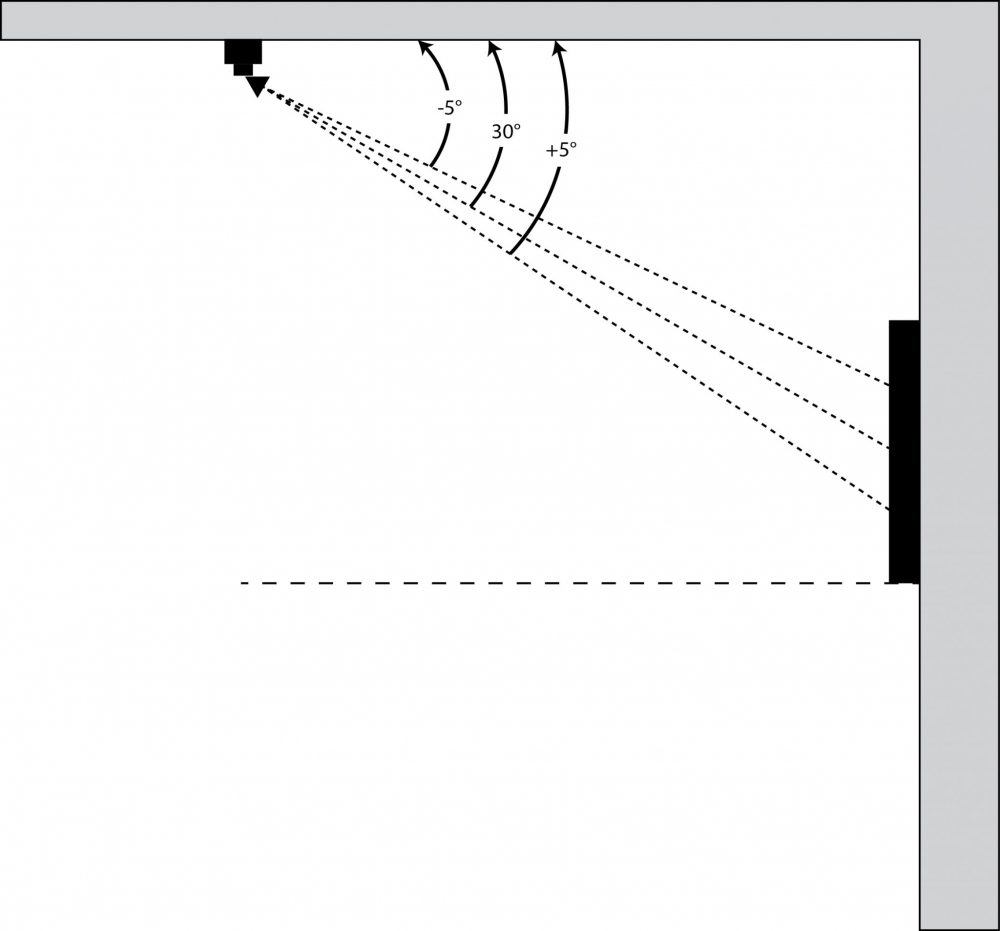
Lighting should be angled at 30 degrees to reduce glare. Add five degrees for larger frames and decrease 5 degrees to highlight textures.
When lighting artwork, the suggested bending for the lite is 30 degrees. This will reduce any glare or reflectance and encompass the artwork in sufficient light. To avoid casting shadows with a larger frame, add five degrees to the angle. To emphasis the texture of a painting, subtract v degrees.
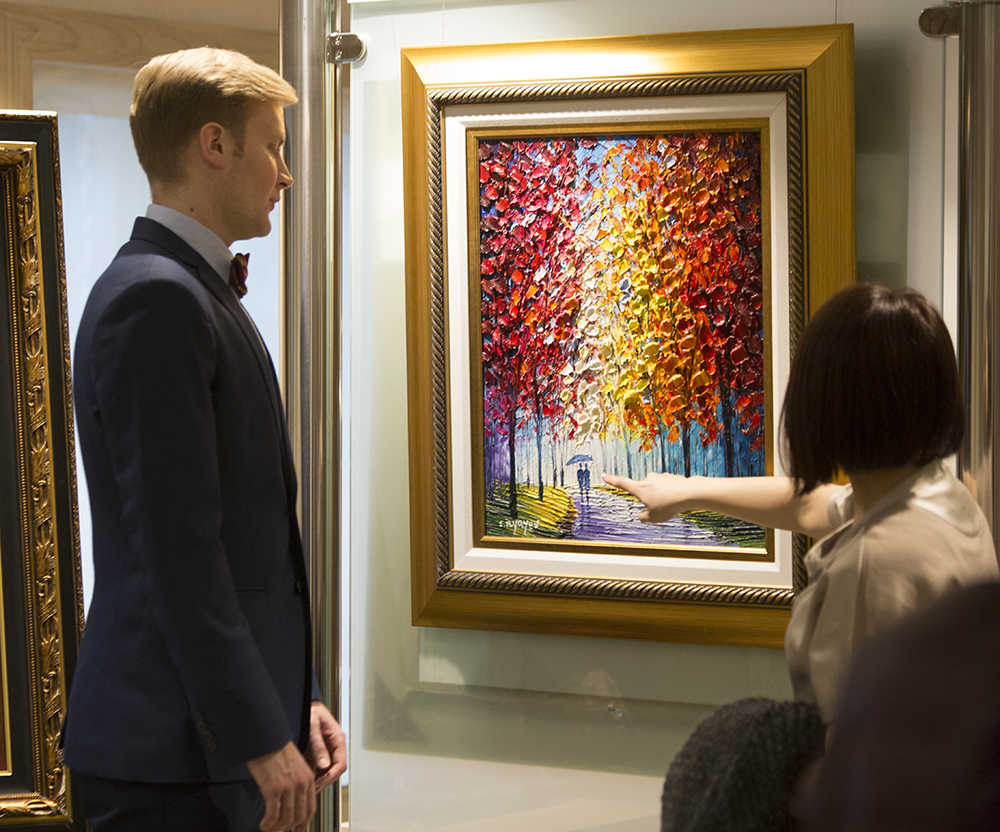
Adjusting the bending of a calorie-free affects how the details of a painting with texture are illuminated. Artwork by Slava Ilyayev.
Oil paintings are typically textured, specially those created with a heavy impasto technique. Using straight lighting tin cause different shadows or highlights to appear. If this result isn't desired, lighting oil paintings with a broad calorie-free ensures all details are evenly illuminated.
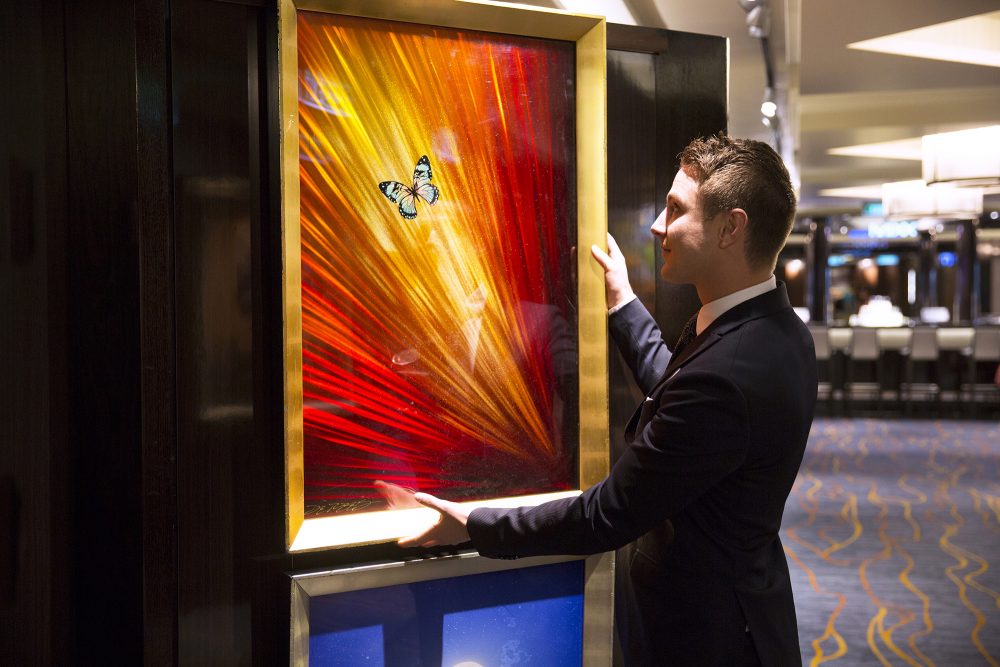
Placing lights at a 30-caste angle reduces the glare on artwork under glass. Artwork by Chris DeRubeis.
Watercolors, serigraphs, lithographs, and other graphic media nether cogitating glass can result in glare. Use the xxx-degree angle techniques mentioned higher up to reduce this occurrence.
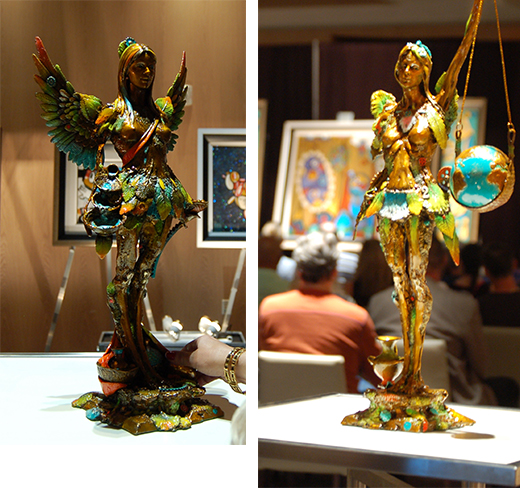
Detect how the difference in lighting can better the details shown on these Nano Lopez sculptures.
Sculptures should exist well-lit past three diffused calorie-free sources to highlight all details. In general, avoid lighting sculptures from directly below, but use your discretion in deciding the angles.
At the stop of the twenty-four hours, much like fine art itself, aesthetic lighting is subject to the discretion and gustatory modality of each collector.
LEARN MORE TIPS FOR HOW TO Brandish YOUR ART:
- 6 Tips for Hanging Art
- 7 Ways to Display Fine art
- A How-To Guide for Displaying Sculptures
If you're interesting in edifice upward your own fine art collection—or if you lot're simply sick of staring at blank walls—register for our weekly live online auction. You can contact our gallery consultants at (800) 521-9654 ext. iv during business hours or at sales@parkwestgallery.com. They are experts at helping people detect the perfect work of art.
Recommended Posts
Source: https://www.parkwestgallery.com/3-tips-for-lighting-art/

Post a Comment for "What Is Best Lighting for an Indoor Art Show Led or Halogen"